Bird Aviary Mesh

Order Sent – Steel Cable Mesh for Tiger Cage
2025-12-03
Stainless Cable Mesh PO Shipping by Vessel to USA
2025-12-17Bird Aviary Mesh
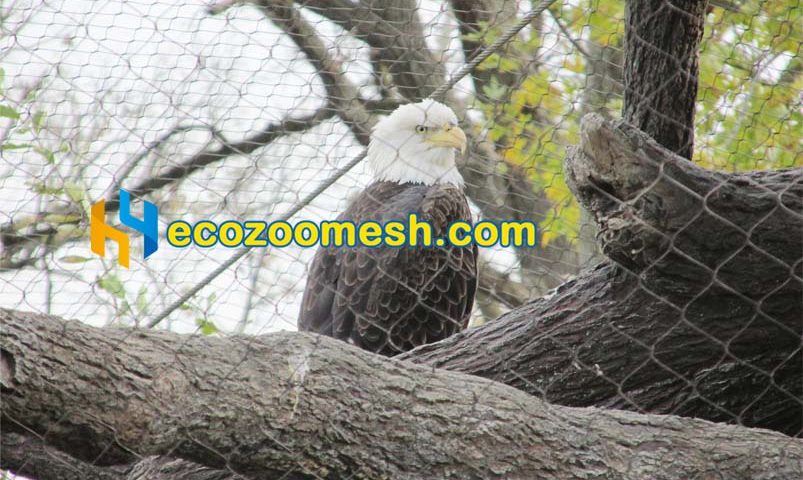
Why Bird Aviary Mesh Is the Smart Choice for Modern Animal Enclosures
When you build or upgrade an aviary, you want a material that keeps birds safe, looks clean, and lasts for years with little upkeep. This is why more zoos, bird parks, wildlife sanctuaries, and private aviary owners are choosing bird aviary mesh made from stainless steel wire rope. It combines strength, flexibility, and a smooth appearance that fits almost any enclosure design.
At our company, stainless steel wire rope mesh is our core product. We produce two main types: the handwoven type and the ferrule type. Both are used worldwide for aviaries of every size, from small backyard projects to large walk-through bird exhibits in public zoos.
This guide explains what makes bird aviary mesh effective, how the two mesh types compare, and what to consider when choosing the right mesh for your birds. If you are planning a new enclosure or looking to improve what you have, this information will help you make a confident choice.
What Is Bird Aviary Mesh?
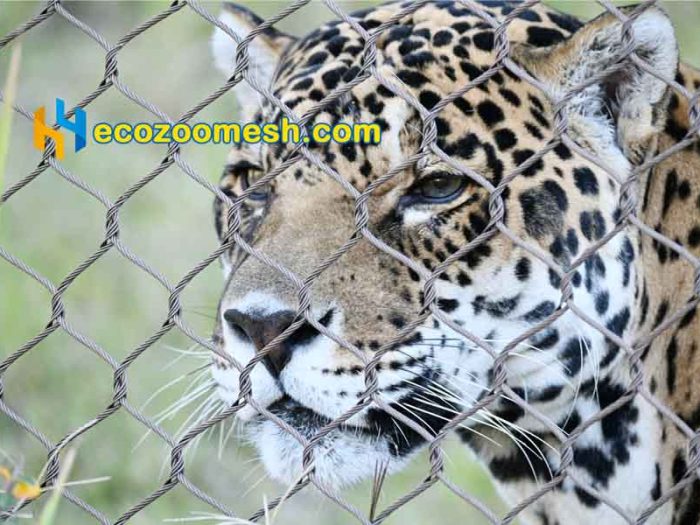
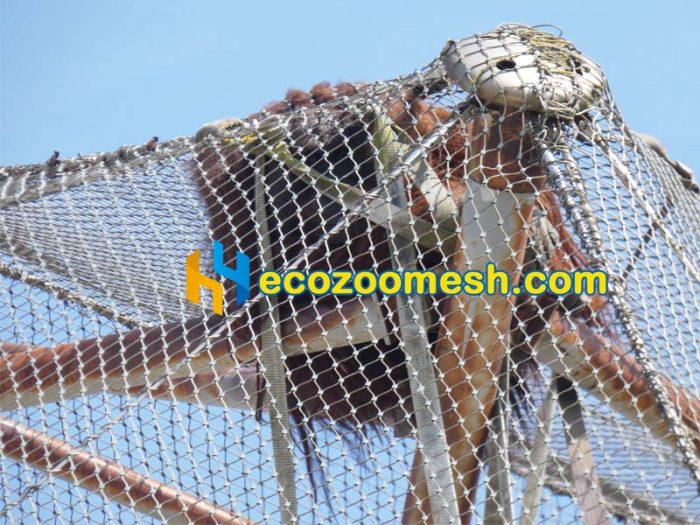
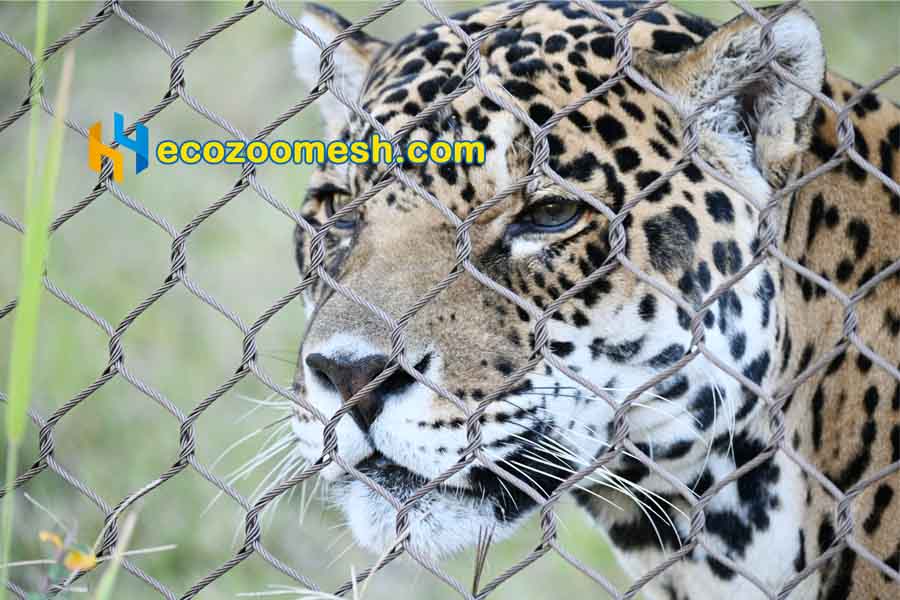
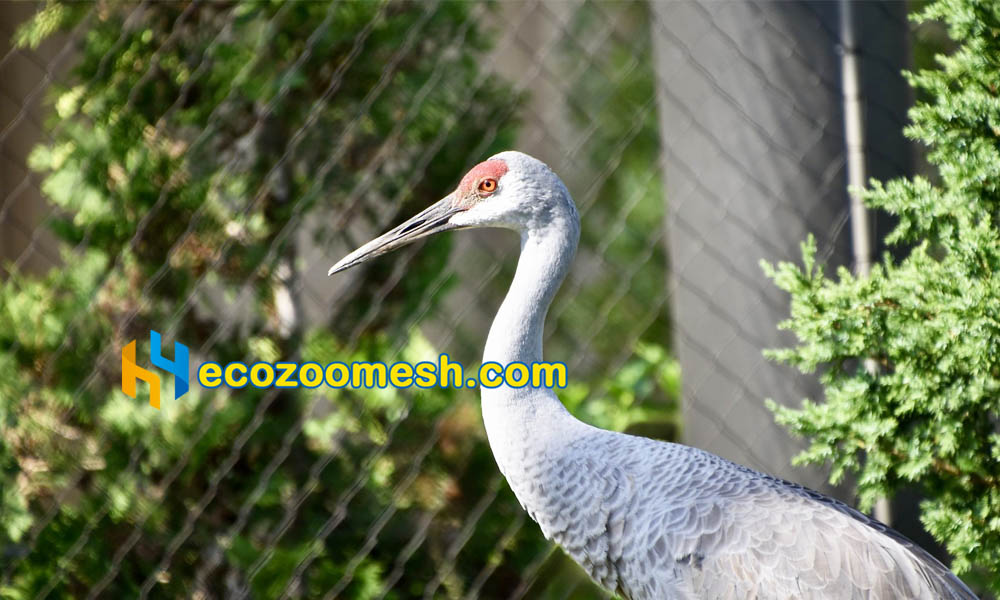
Bird aviary mesh is a woven or ferrule-pressed net made from high-quality stainless steel wire rope. It replaces traditional welded wire panels or plastic netting. The mesh forms a lightweight and open barrier that keeps birds safely inside while allowing natural airflow, clear visibility, and good light transmission.
Because it is made from stainless steel 304/316, it does not rust or weaken in outdoor environments. Rain, sun, salt air, and temperature changes do not affect its performance. This makes it especially useful for long-term aviary projects where reliability matters.
You can choose different mesh sizes and wire diameters based on the species you keep. Large birds such as macaws or cranes need stronger wire. Small birds such as finches or parakeets need smaller mesh openings. The flexibility of the material makes it easy to shape around frames, curves, or custom structures.
Two Main Types of Stainless Steel Bird Aviary Mesh
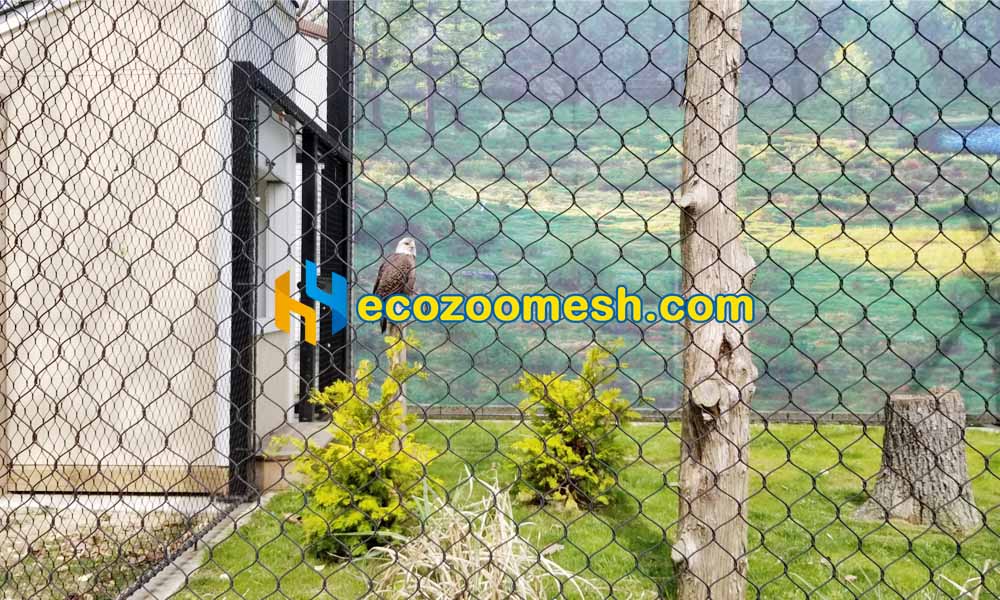
At Hengyi Metal Ecological Mesh, we manufacture two primary styles of stainless steel wire rope mesh. Both work very well in aviaries, but each has its own structure and benefits.
-
Handwoven Wire Rope Mesh
Handwoven mesh is created by manually weaving individual stainless steel cables together. The cables cross each other and form diamond-shaped openings. Every intersection is held by the natural tension of the weave. There is no ferrule or external connector.
This style has a smooth, even look and slightly more flexibility. Many zoos prefer it for large curved enclosures or areas that need a soft, continuous appearance. Since each connection is woven by hand, the overall finish feels almost fabric-like even though it is made of steel.
-
Ferrule Type Wire Rope Mesh
Ferrule mesh uses stainless steel sleeves to join the cables at each intersection. The result is the same diamond pattern, but the structure has a more defined and uniform layout. Because the ferrules lock the cables in place, the mesh holds its shape well across large spans.
Ferrule mesh is popular for medium and large aviaries that need a strong and stable barrier. It is also easier to install for straight or angled frames. Some designers prefer the clean geometric look of the ferrules, especially for modern-style aviary projects.
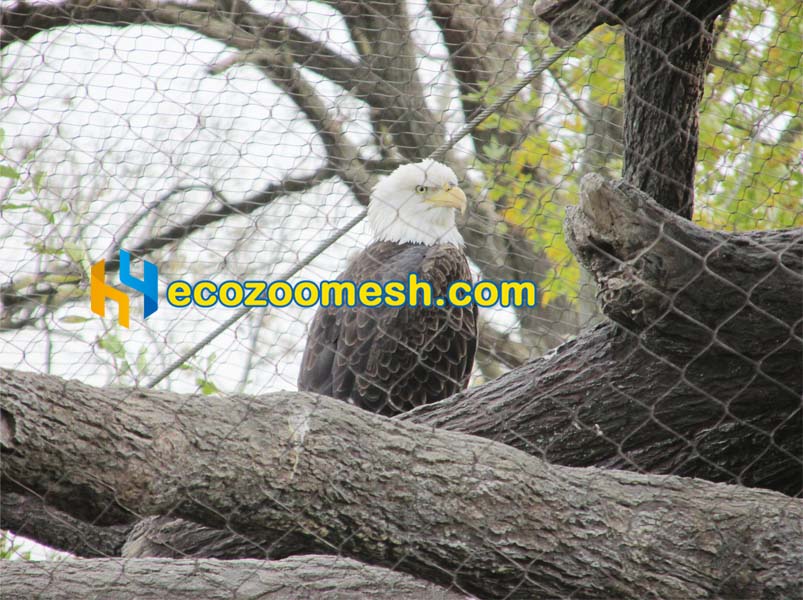
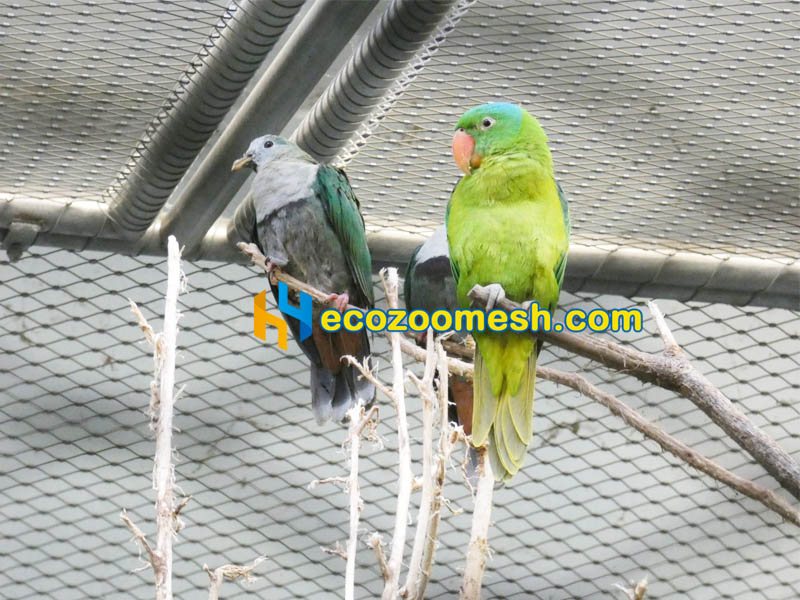
Why Bird Aviary Mesh Is Better Than Traditional Materials
People often switch to stainless steel bird aviary mesh after dealing with common problems found in other materials. Here are the most important benefits.
Long Service Life
Wood frames, plastic netting, and welded wire panels wear down over time. Sunlight breaks plastic. Weld spots crack. Galvanized coatings flake. Stainless steel mesh avoids all of these issues. It stays strong for decades with almost no maintenance.
Safe for All Bird Species
Birds can injure themselves on sharp wire ends or rough edges. Stainless steel aviary mesh has smooth, rounded cable surfaces. Birds cannot chew through it or get stuck in it. The flexible structure protects delicate feathers as they move along the enclosure walls.
Light and Transparent
One of the main reasons people choose bird aviary mesh is the level of visibility. The thin cables create a clear, open view. Visitors can see the birds easily. Birds feel less confined because more natural light enters the enclosure. This supports healthy behavior and reduces stress.
Easy to Shape and Install
Traditional rigid panels force you to design the enclosure around the material. Stainless steel mesh works the other way. It bends, curves, and adapts to your design. This allows wide spans, natural shapes, and creative layouts that match the landscape or the species’ needs.
Weather Resistant
Heat, cold, rain, snow, and strong UV exposure do not harm stainless steel 304 or 316. Ferrule and handwoven mesh both perform well in coastal areas and humid climates. The mesh does not sag or loosen, even after years of temperature changes.

Common Applications of Cable Aviary Mesh
The most obvious use is traditional bird aviaries, but stainless steel mesh supports many other structures in zoological and architectural environments.
Walk-through Bird Aviaries
Large public aviaries need a barrier that is strong yet visually open. Bird aviary mesh can span long distances and create smooth curves. This helps build natural environments where birds can fly freely.
Outdoor Flight Cages
Breeders and rescue centers often use mesh for flight cages that provide room for exercise. It keeps the structure light while giving robust protection.
Parrot Aviaries
Parrots chew almost anything they can reach. Stainless steel cable mesh resists strong beaks without creating sharp edges. Different wire diameters match different species.
Small Bird Enclosures
Finches and songbirds need small opening sizes to prevent escape. Custom mesh sizes allow you to choose openings that keep them safe without blocking airflow.
Mixed-Species Aviaries
Zoos often mix species like cranes, pheasants, toucans, and ducks in one habitat. Bird aviary mesh can be customized to handle stronger or more active birds while keeping the enclosure open and natural.
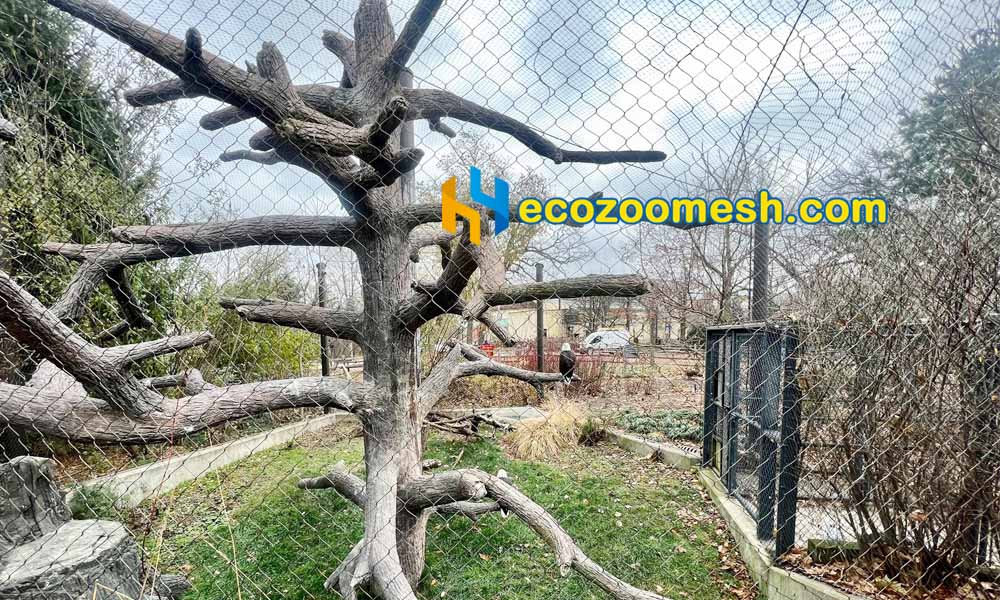
How to Choose the Right Bird Aviary Mesh
You can narrow your options by considering three main points.
-
Species
The size and behavior of the birds determine the wire diameter and the mesh opening.
Examples:
- Small birds. Mesh opening around 20 to 25 millimeters with fine wire diameter.
- Medium birds. Mesh opening around 30 to 40 millimeters.
- Large birds such as macaws, eagles, or cranes. Mesh opening from 40 to 60 millimeters with stronger cable.
-
Enclosure Design
Curved roofs, free-form habitats, and natural-style aviaries work well with handwoven mesh because of its flexibility. Straight frames or geometric designs often match better with ferrule mesh.
-
Environment
For coastal areas or high-humidity environments, stainless steel 316 is usually the best choice. It has stronger corrosion resistance and gives longer service life outdoors.
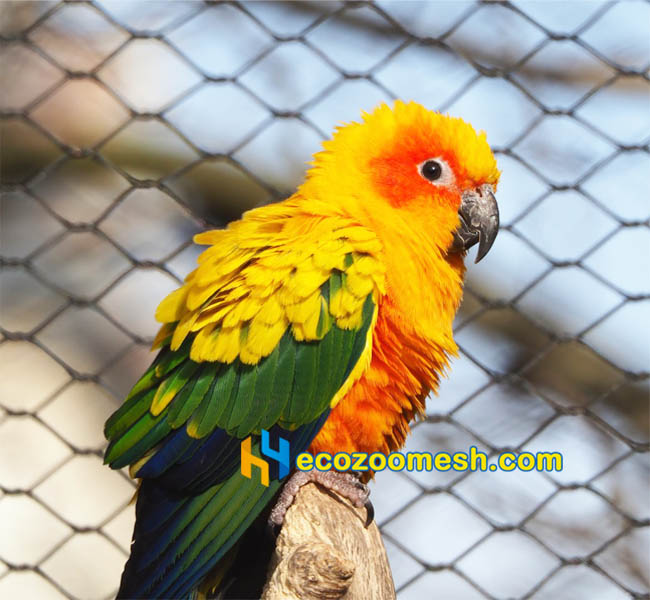
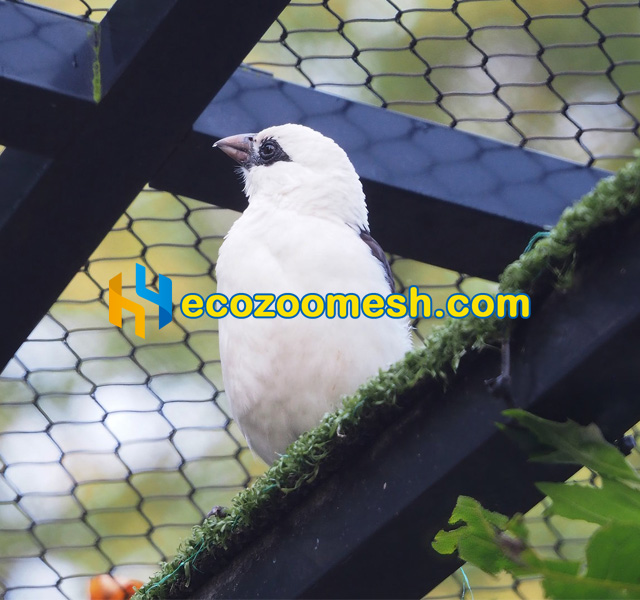
Installation Tips for Bird Aviary Mesh
Good planning and proper installation help the mesh perform at its best.
- Measure the frame accurately before ordering. Stainless steel mesh is usually custom cut.
- Use strong boundary cables or tension hardware to secure the mesh to the frame.
- Keep even tension across the surface so the mesh stays neat and tight.
- If you shape the mesh around curves, work slowly to keep the diamonds even.
- After installation, check all connections and tighten hardware as needed.
A well-installed mesh surface looks smooth, clean, and professional. It also needs almost no maintenance afterward.
Final Thoughts
Bird aviary mesh made from stainless steel wire rope has become the standard for modern aviaries because it solves the problems that older materials could not. It is safe, durable, flexible, and visually clean. Both handwoven and ferrule types support a wide range of enclosure styles, from compact backyard aviaries to large zoological habitats.
If you are building a new aviary or upgrading an old one, stainless steel bird aviary mesh is a practical long-term investment. It protects your birds, improves the visitor experience, and gives you a structure that can stand for decades with almost no upkeep.
If you would like help choosing the right mesh type or size for your project, feel free to share a few details about your birds and enclosure design. I can help you narrow the options and make the process easier.
Hengyi Metal Ecological Mesh
Emails: [email protected] / [email protected]